
PASADENA DIVORCE MEDIATION LAWYER

Collaborative law and mediation are increasingly common ways to resolve divorce and family law disputes without the cost and stress of a courtroom battle. Because mediation avoids formal litigation, many couples find it saves both money and emotional strain during an already difficult separation. A skilled Pasadena divorce mediation lawyer is a helpful guide for two people who are often at their most emotional, helping them reach a workable agreement instead of a courtroom fight. The attorneys at the Southern California Law Offices of Ted Khalaf can help you decide whether mediation, collaborative law, or full litigation is the right path for your divorce.
Why Choose the Khalaf Law Group?
When you need a Pasadena divorce mediation lawyer, it is essential to choose a legal team with solid experience handling difficult divorce cases. Ted Khalaf and his team have spent over a decade representing Southern California families in divorce and family law matters, and we take the time to understand how your divorce is affecting your life so we can guide you toward a resolution that works for you.
Collaborative Law Divorce Lawyer
Collaborative Law is defined as a court-free way of approaching divorce. In a collaborative divorce, there is no need to appear before a judge and individuals instead work closely with a team of specialists and experts that may include child-custody experts, divorce and family law attorneys, marriage and family counselors and financial specialists to reach a settlement that works for both parties without the excessive costs of litigation.
Can a Lawyer Mediate a Divorce?
Divorce mediation usually involves both spouses, their attorneys, and a neutral mediator. The mediator is often a family law attorney, though California does not require a mediator to hold a law license — only that the mediator have a solid understanding of California family law. The mediator’s job is to help both spouses negotiate, answer questions about relevant legal statutes, and help draft a proposed divorce agreement for the court to review.
Mediation also keeps your divorce private: what you discuss during mediation is generally confidential under California law and cannot be used against you later in court (Cal. Evid. Code § 1119).
Considering a Divorce Mediation Lawyer?
In relation to a traditional lawsuit, the process of mediation can be quick, entirely confidential, fairly executed and significantly lower in cost. When you find yourself already involved in a lawsuit or actual divorce proceedings, mediation and collaborative law will benefit you significantly in that you can step beyond the court system to resolve your dispute in a less expensive and more harmonious manner. In a mediation or collaborative law situation, both parties have the opportunity to speak for and represent themselves, expressing emotions and ideas that would not be as accepted in the litigation process.
How Long Does Divorce Take With a Mediator?
Divorce litigation can take months or even years, depending on how complex the case is and how crowded the court’s calendar is. Mediation is usually much faster. Many couples complete the process in a few months, meeting with their mediator during regular sessions to negotiate each part of the divorce. Once both spouses agree, the mediator drafts a proposed divorce agreement, which still must be reviewed and approved by a judge at the Pasadena Courthouse’s family law division before the divorce is final.
What Are the Five Steps of Mediation?
A Pasadena divorce mediation attorney can provide you with a clearer understanding of how your divorce mediation is likely to unfold. There are five key phases of the divorce mediation process:
- Convening the mediation. This is the initial phase during which the two spouses, their respective attorneys, and the mediator meet to set the tone for negotiations. This phase simply establishes both parties’ willingness to convene at the negotiation table. In many divorces, this is the most difficult part because of the personal tension between the divorcing spouses. However, if they can overcome this, they can take full advantage of the various benefits mediation can provide.
- Opening sessions. The first official mediation session will take place once both parties have agreed to the mediation process. The first session typically allows both parties to outline their priorities and the topics they feel deserve primary consideration.
- Communications. During mediation sessions, the divorcing couple will discuss the issues most important to them, make their intentions and expectations clear, and start to lay the groundwork for constructive negotiation.
- Negotiations. Once the couple reaches this phase, they can begin the bargaining process. California follows strict community property laws, but the divorce mediation process will provide the couple with much more flexibility than they would have if they went to court.
- Closing sessions. The mediator’s final job is to assist the divorcing couple and their respective attorneys in the development of the divorce agreement. This document must then undergo a review process with the court before a judge finalizes the divorce.
Mediation is a straightforward and effective process, providing many couples with an effective and reliable alternative to divorce litigation. This results in far less time and expense for both parties while also allowing them to keep their divorce proceedings private.
How Do You Win at Mediation?
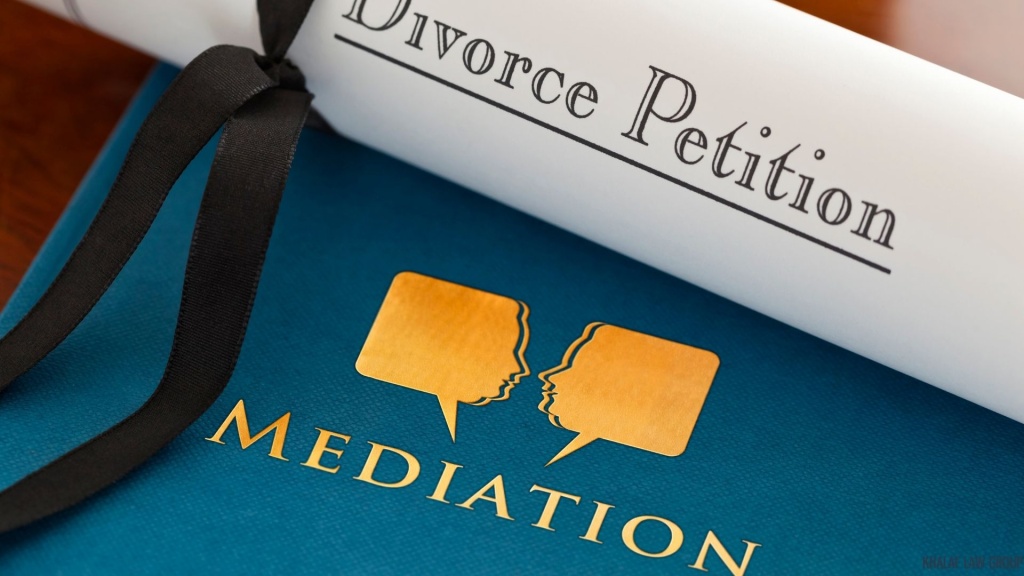
Mediation isn’t about winning — it’s about reaching an outcome you and your soon-to-be ex-spouse can both live with. Because mediation is more relaxed and informal than a court battle, it tends to put participants at ease and helps them work toward a resolution together, rather than treating the divorce as an adversarial fight.
Since a mediator isn’t bound by a judge’s strict, impartial ruling, you and your spouse can negotiate a property division suited to your specific situation instead of the split a courtroom would otherwise impose. California is a community property state, meaning marital assets and debts acquired during the marriage are generally divided equally between spouses (Cal. Fam. Code § 2550). Mediation still operates within that rule, but it gives couples more room to negotiate a smoother, more personalized transfer of property than a judge’s order typically allows.
Child custody works a little differently. California courts have an independent duty to protect the best interests of any children affected by a divorce, so any custody or visitation plan you and your spouse reach in mediation still needs a judge’s approval before your divorce is final. If you and your spouse can’t agree on custody or visitation, California law requires mediation before a judge will hear the dispute (Cal. Fam. Code § 3170).
In Los Angeles County, that mediation happens through Family Court Services at the Pasadena Courthouse. Unlike some neighboring counties, in Los Angeles County, mediators only report to the judge whether the parents reached an agreement. They don’t send a recommendation either way, which is different from some neighboring counties where a mediator can recommend a custody outcome if the parents disagree.
Frequently Asked Questions
Does a divorce mediator have to be a lawyer?
No. California only requires the mediator to have a solid understanding of family law. Many mediators are attorneys, but the law doesn’t require it.
Is what I say during mediation confidential?
Yes. Under Cal. Evid. Code § 1119, communications made during mediation are generally confidential and cannot be used as evidence in court.
Can mediation resolve child custody and visitation?
Mediation can produce a proposed parenting plan, but a judge must still approve it, and California law requires mediation first if parents disagree on custody or visitation.
What happens if mediation doesn’t work?
Either spouse can end mediation at any time and move the case into standard divorce litigation.
Where does court-connected mediation happen for Pasadena-area cases?
Private mediators handle most divorce mediation, while court-ordered child custody mediation for Los Angeles County cases takes place through Family Court Services at the Pasadena Courthouse, 300 E. Walnut St.
The Success of Mediation and Collaborative Law
Divorce mediation is a popular alternative to litigation because it gives you more control, at a lower cost, over one of the hardest experiences you may go through. Because both spouses help shape the agreement themselves, many find it easier to follow through on the terms afterward. If you are preparing to divorce in the near future, the Khalaf Law Group is ready to help you understand your options.
Contact us today and schedule a consultation with a trustworthy Pasadena divorce mediation attorney — (626) 486-0166.